
Visa on Arrival vs eVisa Explained (For UAE Residents)
Visa on Arrival vs eVisa Explained (For UAE Residents)
When traveling from the UAE, many destinations offer easier entry options such as Visa on Arrival or eVisa instead of traditional embassy visas. While both options save time compared to full visa applications, they are not the same and each comes with different rules and risks.
This guide explains the difference between Visa on Arrival and eVisa, how each works, and which option is better for UAE residents.
What Is a Visa on Arrival?
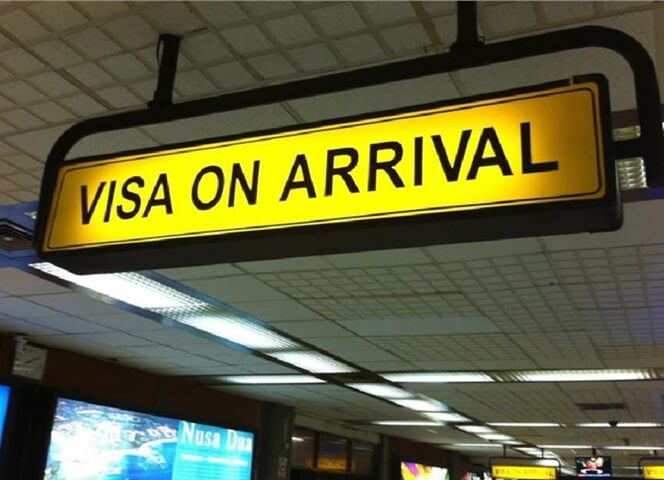
A Visa on Arrival means you receive your visa after landing at the destination airport. You do not need to apply in advance, but approval is granted at the border by immigration officers.
Key features:
No pre-travel visa application
Visa issued at airport immigration counter
Approval depends on documents and officer discretion
Common Visa on Arrival destinations for UAE residents include Maldives, Nepal, Jordan, Sri Lanka, Tanzania, Cambodia, and Laos.
What Is an eVisa?
An eVisa is an electronic visa applied for online before travel. Once approved, the visa is emailed to you and must be shown upon arrival.
Key features:
Application completed online
Approval received before travel
No embassy visit required
Popular eVisa destinations for UAE residents include Thailand, Qatar, Oman, Azerbaijan, Kenya, and Sri Lanka.
Main Differences Between Visa on Arrival and eVisa
Visa on Arrival:
Applied for at the airport
Approval is not guaranteed
Waiting time at immigration
Risk of denial if documents are incomplete
eVisa:
Applied for online before travel
Approval received in advance
Faster airport entry
Lower risk if documents are correct
Which Option Is Safer for UAE Residents?
For most UAE residents, eVisa is the safer option.
Reasons:
You know your visa status before booking flights
Lower risk of being denied at the airport
Faster immigration clearance
Less stress during travel
Visa on Arrival can still be convenient, but it carries uncertainty — especially during busy travel seasons.
Documents Commonly Required for Both
Whether applying for Visa on Arrival or eVisa, you usually need:
Passport valid for at least 6 months
Return flight ticket
Hotel booking or accommodation proof
Proof of sufficient funds
Travel insurance (for some countries)
Failure to provide any of these can lead to denial.
Common Mistakes UAE Residents Make
Assuming UAE residence guarantees entry
Traveling without confirmed hotel or return ticket
Having insufficient passport validity
Carrying unclear or low-quality documents
Not checking nationality-specific rules
Entry rules always depend on your passport, not your residence alone.
When Should You Choose Visa on Arrival?
Visa on Arrival may be suitable if:
Your travel is last-minute
The destination is known for easy entry
You have strong travel history
You are flexible with plans
However, it is not recommended for first-time travelers.
When Should You Choose an eVisa?
eVisa is recommended if:
You want confirmation before travel
You are traveling during peak season
You want faster airport clearance
You prefer less risk
Most frequent UAE travelers choose eVisa when available.
How Patriot Pro Travel & Tourism Helps
We help UAE residents:
Check eligibility for Visa on Arrival or eVisa
Recommend the safest option for your passport
Apply for eVisas quickly and correctly
Prepare documents to avoid entry issues
Our goal is smooth entry and stress-free travel.
Check the Best Entry Option for Your Trip
Contact us before booking your flights
Travel smart. Travel prepared.