
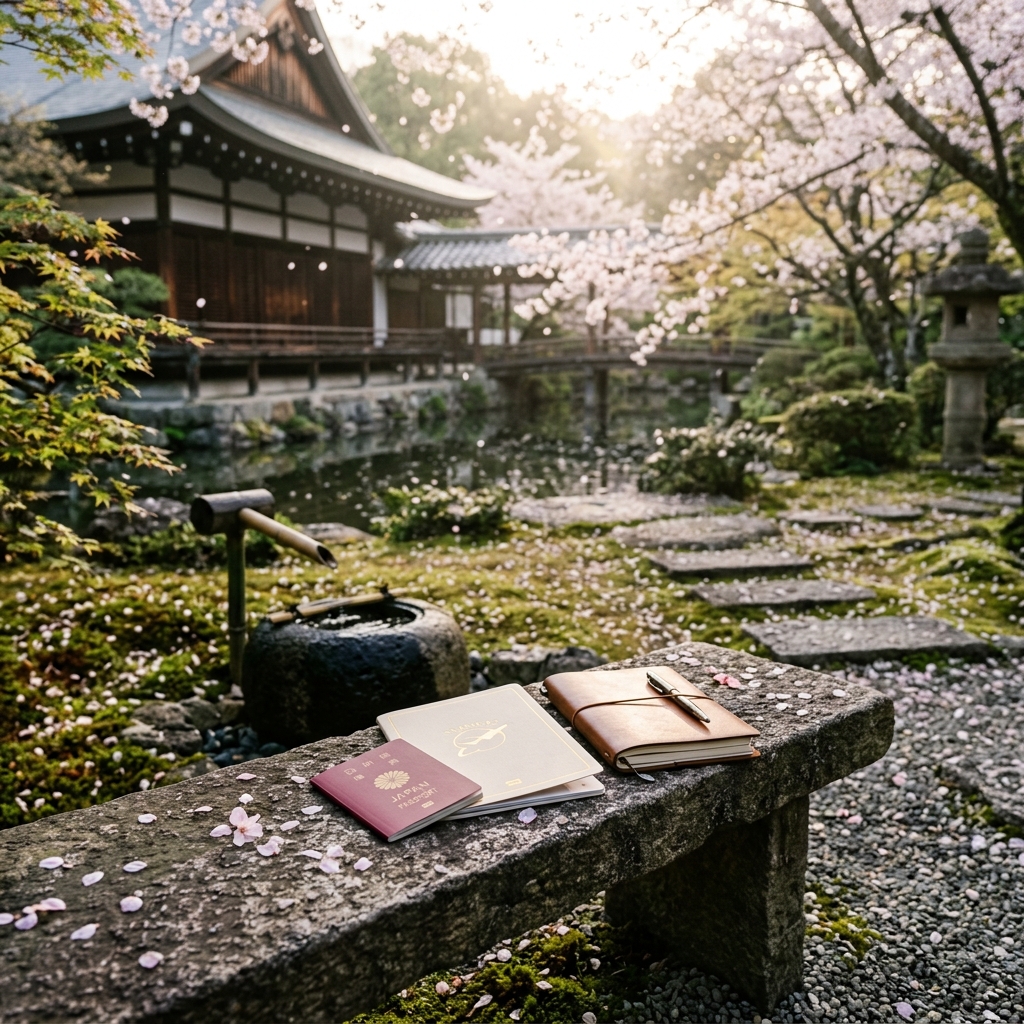
Japan Visa From the UAE: A Practical Guide for UAE Residents
One of Asia's Most Rewarding and Well-Organised Visa Processes
Japan has become one of the most sought-after destinations for UAE residents over the past few years, and for good reason. The country offers a completely different travel experience — cultural depth, safety, precision, and a travel infrastructure that genuinely rewards the visitor. The visa process, while requiring attention to detail, is one of the more organised and transparent short-haul options available to UAE-based applicants.
Unlike some destinations where the processing outcome feels opaque, the Japan visa process is clear about what is needed and generally consistent in its decisions when the file is properly prepared.
Visa Requirements for UAE Residents
Japan visa requirements depend on your passport nationality. Certain nationalities enjoy visa-free access to Japan for short stays. Others require a tourist visa, which is processed through the Embassy of Japan in Abu Dhabi or through authorised visa agents in the UAE.
For those who require a visa, the application is submitted to the Embassy of Japan and is typically processed within five to seven working days.
Standard Documents Required
Valid passport with at least six months validity
Completed visa application form
Recent passport-sized photograph
UAE residence visa and Emirates ID
Bank statements for the last three months
Employment letter confirming position, salary, and approved leave
Detailed travel itinerary including hotel bookings and planned activities
Return flight confirmation
For self-employed applicants: trade licence and business bank statements
Processing Time
Standard Japan visa processing from the UAE takes approximately five to seven working days. There is no premium or priority processing available. Applications submitted through authorised visa agents may follow a slightly different timeline depending on the agent's batch submission schedule.
Most applicants receive a single or double-entry visa valid for 90 days, with a permitted stay of 15 or 30 days per visit. Multiple-entry visas are sometimes issued to applicants with a history of previous Japan visits.
Tips for a Smooth Application
Prepare a day-by-day itinerary — Japan's embassy genuinely reviews it and appreciates specificity
Book accommodation in advance; confirmed bookings carry more weight than provisional ones
Financial requirements are not extremely high, but the statements must be clean and consistent
If you have visited Japan before, this significantly strengthens the case for a multiple-entry visa
Do not leave the application to the last minute — give yourself at least two weeks before travel
UAE Resident Context
Japan is a popular first-time visa destination for UAE residents who do not yet have Schengen or US visa history. The process is accessible, the requirements are reasonable, and approval rates for well-prepared applications are generally positive. A Japan visa in the travel history then becomes a useful supporting element for future applications to more demanding destinations.
Applicants whose nationalities are visa-free should still carry documentation of their purpose of visit and financial means, as Japanese border officials conduct thorough entry checks.
How Patriot Pro Travel & Tourism Helps
Confirming whether a visa is required based on the applicant's passport nationality
Preparing a detailed, day-by-day Japan itinerary aligned with the visa application requirements
Reviewing financial documents and ensuring statements are presented clearly
Submitting through authorised channels to the Embassy of Japan in Abu Dhabi
Advising on hotel bookings and activity planning that supports the application
Assisting first-time Japan applicants in building a complete, compelling file
Managing the logistics of document collection and submission
Japan rewards thorough preparation with one of the most reliable and enjoyable travel experiences available. For UAE residents considering the destination, getting the application right from the start makes the difference between a smooth process and unnecessary delays.